$282.00
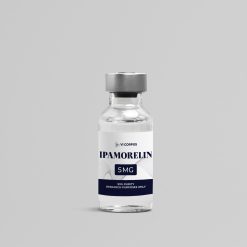
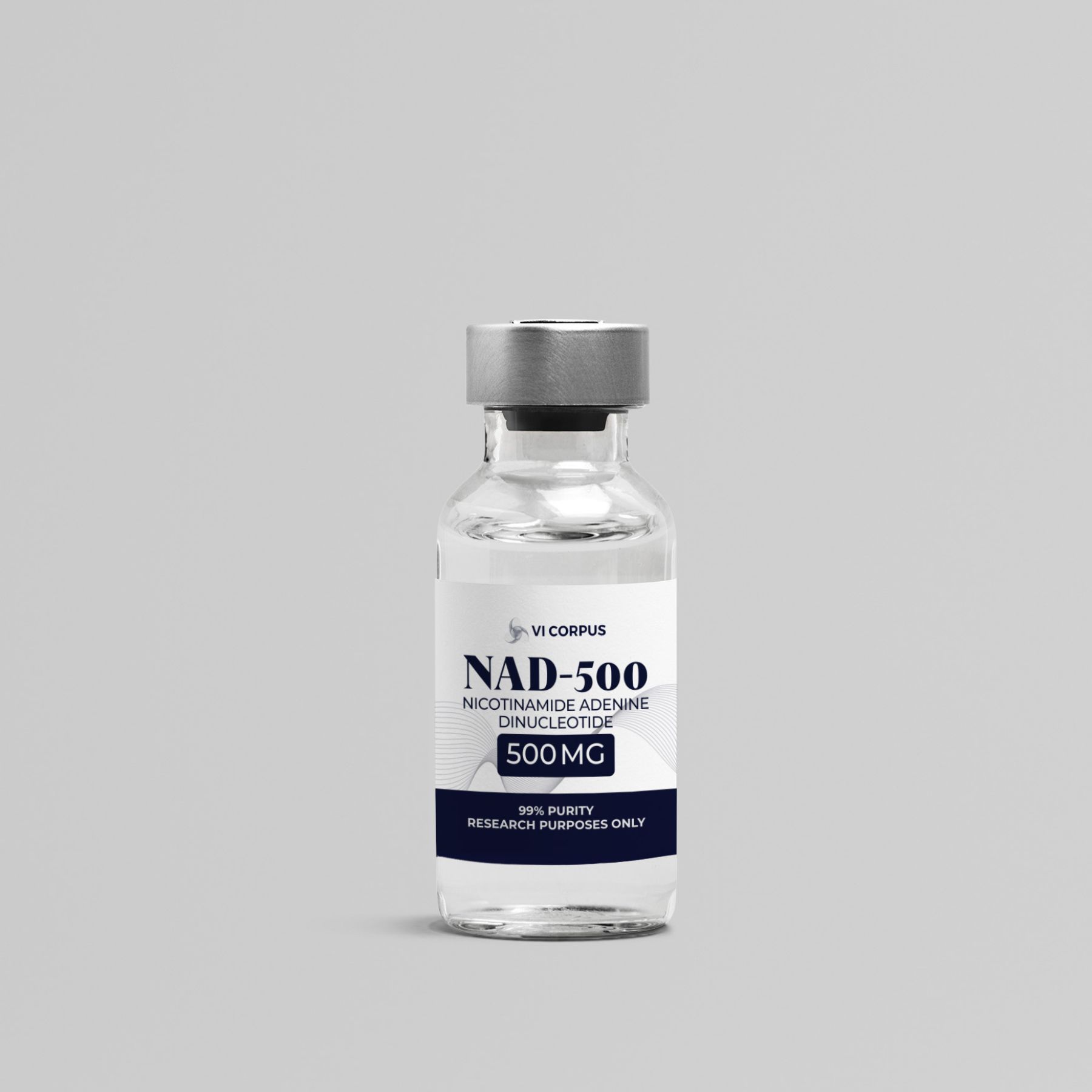
NAD+ peptide vial with 500 mg of nicotinamide adenine dinucleotide, the coenzyme behind cellular energy metabolism. Third-party tested and shipped same day from Australia. For laboratory research use only.
For laboratory research use only. Not for human consumption. Ships from Australia.
NAD+ peptide is the name many researchers use for nicotinamide adenine dinucleotide, the coenzyme at the centre of cellular energy metabolism. Strictly speaking, NAD+ is a dinucleotide rather than a peptide. Vi Corpus supplies it as a 500 mg lyophilised vial for Australian laboratories studying mitochondrial function, sirtuins and ageing.
Key research features of NAD+ peptide vials
- Central redox coenzyme. NAD+ accepts and donates electrons in glycolysis, the citric acid cycle and oxidative phosphorylation.
- Sirtuin and PARP substrate. These enzymes consume NAD+ during DNA repair and gene regulation.
- Age-related decline. Tissue NAD+ levels fall with age in animal models, which drives longevity research.
- High-quantity vial. Each vial holds 500 mg, which suits extended study series.
- Third-party tested. Results are available through our Lab Tests page.
NAD+ peptide specifications
| Compound | Nicotinamide adenine dinucleotide (NAD+) |
|---|---|
| Amount | 500 mg per vial |
| Form | Lyophilised (freeze-dried) powder |
| Molecular formula | C21H27N7O14P2 |
| Molar mass | approx. 663.4 g/mol |
| Reconstitution | Bacteriostatic water (sold separately) |
| Storage | 2–8 °C, protected from light |
Research applications
NAD+ research covers metabolism, neurodegeneration and cellular ageing. For example, studies in mice have explored how restoring NAD+ affects mitochondrial output and muscle function. Other work looks at the balance between NAD+ and NADH as a marker of cell stress. In addition, many labs pair it with the mitochondrial peptide MOTS-c to study energy regulation from two angles.
Storage and handling
NAD+ is sensitive to heat and light. Therefore, keep vials refrigerated and protected from light, and prepare solutions with bacteriostatic water as close to use as your protocol allows.
Frequently asked questions
Is NAD+ a peptide?
No. It is a coenzyme made of two nucleotides. Even so, it is commonly grouped with research peptides and searched for as an NAD+ peptide.
What does NAD stand for?
Nicotinamide adenine dinucleotide. The plus sign shows the oxidised form, which accepts electrons in metabolic reactions.
Where are related products?
See our metabolic and longevity peptides.
Related products